
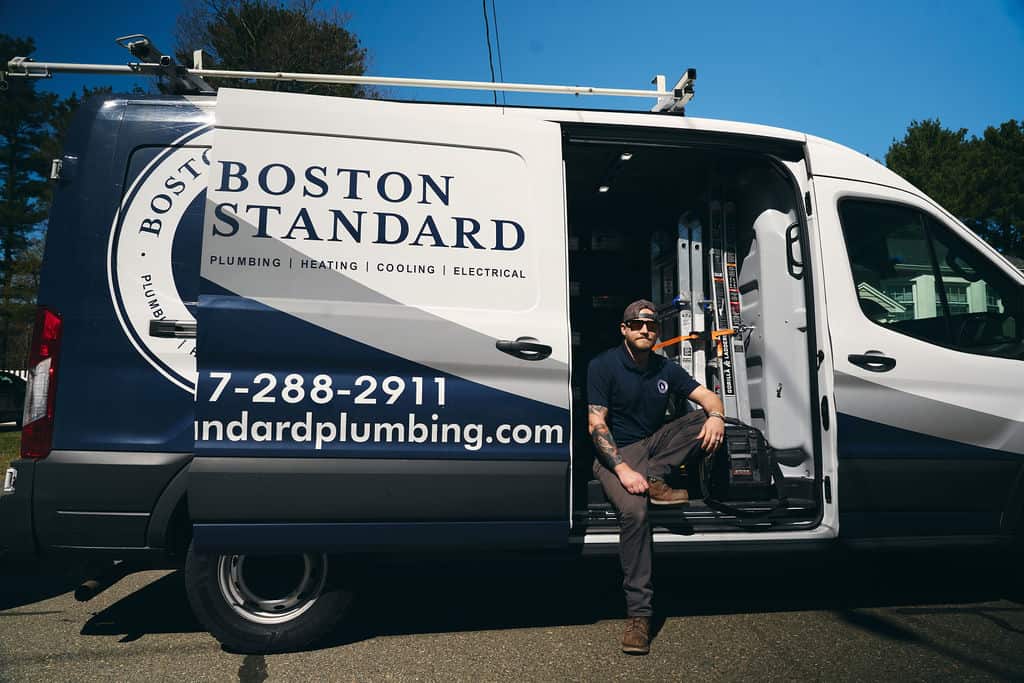
When a summer heat wave settles over New England, high outdoor temperatures and thick coastal humidity combine to put immense stress on residential cooling equipment. Discovering that indoor temperatures are rising rapidly while your system blows warm air creates an immediate sense of urgency. The team at Boston Standard HVAC understands how stressful a sudden cooling breakdown can be for a household. Extreme summer weather creates real comfort and safety challenges across local communities. Before panicking or grabbing heavy tools, every homeowner should take a deliberate, calm approach to the situation. Protecting the health of family members comes first. Following clear steps for A/C troubleshooting during a heat wave helps you identify simple fixes while determining whether professional service is required.
Prioritizing Personal Safety During Severe Summer Heat
Indoor temperatures inside a poorly ventilated home can climb rapidly when mechanical cooling fails during extreme weather. Your immediate priority must always focus on personal health and well-being rather than mechanical hardware. Elevated indoor heat poses significant physical risks, particularly for young children, elderly family members, and household pets. Taking proactive steps to manage indoor exposure prevents heat-related illness while you evaluate your cooling equipment.
Recognizing Heat Illness and Staying Safe
Monitoring everyone in the home for signs of heat stress is critical while indoor conditions remain warm. Early warning signs of heat exhaustion include heavy sweating, pale skin, muscle cramps, dizziness, fatigue, and headache. Staying hydrated by sipping cool water continuously and resting in the shaded, lowest levels of your home helps maintain a safe body temperature. Checking on elderly neighbors or vulnerable family members nearby provides vital protection during local hot spells. If someone exhibits severe symptoms such as confusion, high body temperature, nausea, or a rapid pulse, seek immediate medical attention right away.
Creating Temporary Cooling Solutions Indoors
While waiting to evaluate your cooling equipment, implement temporary airflow strategies to keep living spaces tolerable. Keep blinds, curtains, and solar shades closed tightly on sun-facing windows to block direct radiant heat. Portable box fans and ceiling fans can promote air circulation across skin, creating a wind-chill effect that makes rooms feel several degrees cooler. Pairing fan-assisted airflow with damp towels on the back of the neck offers rapid localized cooling. If indoor conditions become dangerously warm, visiting a designated municipal cooling center or a climate-controlled public facility provides an immediate safe refuge.
Safe Step-by-Step A/C Troubleshooting During a Heat Wave
Once family safety is secured, you can perform basic diagnostic checks on your cooling system. Modern central cooling units and ductless systems are complex mechanical devices, but several simple external factors frequently cause sudden shutdowns. Homeowners can safely complete basic checks without specialized tools or technical risk. Note that when performing A/C troubleshooting during a heat wave, you must never open electrical cabinets or attempt to handle refrigerant components.
Here are four safe home checks to perform before calling for service:
- Inspect the electrical breaker: High grid demand and heavy compressor loads during extreme temperatures can trip electrical circuits. Locate your main electrical panel and check if the breaker dedicated to the cooling system has moved to the off or neutral position. Reset a tripped breaker firmly to the on position once; if it trips again immediately, leave it off to prevent electrical damage.
- Examine the air filter: A heavily clogged return air filter severely restricts airflow across the indoor evaporator coil. Reduced airflow forces the compressor to work harder, which can lead to ice accumulation on the coils or a system safety shutoff. Replace dirty disposable filters with fresh filters of the correct size to restore proper system airflow.
- Verify thermostat settings and batteries: Accidental setting changes or depleted batteries can cause a system to appear completely dead. Ensure the thermostat is set strictly to Cool mode, with the temperature target positioned at least five degrees below the current room temperature. Replace old batteries if the display screen appears dim or completely blank.
- Check outdoor unit clearance: The outdoor condenser unit needs unobstructed airflow to reject indoor heat into the outside atmosphere. Inspect the area around the metal cabinet to ensure leaves, grass clippings, storage boxes, or overgrown shrubs are not blocking the side fins. Maintaining clear perimeter space around the outdoor cabinet allows heat to escape efficiently.
Deciding Between Emergency Repair and System Replacement
When simple self-checks do not resolve the issue, mechanical or electrical component failures inside the cabinet are usually responsible. Severe thermal stress during extreme weather accelerates wear on aging capacitors, fan motors, and contactors. Severe heat causes compressors to run continuously, compounding existing mechanical strain and causing thermal overload shutoffs. Understanding the age and condition of your equipment helps determine the most practical long-term path forward.
Restoring System Performance with Professional Repair
If your cooling equipment is relatively young and has a history of reliable operation, a component failure usually warrants targeted restoration. Damaged starting capacitors, failed outdoor fan motors, or blocked condensate drain lines can be safely addressed by professional technicians. When preliminary A/C troubleshooting during a heat wave reveals persistent electrical tripping or hot air blowing from supply vents, scheduling professional A/C maintenance and repair stops compounding damage and restores cold air to your home.
Evaluating Replacement for Aging or Undersized Equipment
Systems approaching the end of their operational lifespan often struggle to keep pace with New England heat waves. Older units operating on lower efficiency standards frequently suffer repeated component failures under extreme weather conditions. If your system requires frequent emergency service calls or struggles to lower indoor temperatures despite continuous operation, investing in a new cooling installation provides a permanent solution. Modern high-efficiency systems offer superior humidity removal, quieter operation, and significantly lower operating costs during peak summer months.
Restoring Comfort and Protecting Your Boston Home
Experiencing an equipment shutdown in the middle of severe summer heat is challenging, but taking methodical steps keeps your household safe and informed. Beginning with personal health precautions ensures that vulnerable family members remain protected while you address home comfort. Simple checks on breakers, filters, thermostats, and outdoor clearance often resolve basic cooling interruptions without delay. When equipment needs expert technical evaluation or full replacement, choosing proactive service restores reliable operation to your living space. You can reach out by contacting Boston Standard or explore our additional heating and cooling guides to learn more about maintaining peak equipment performance throughout every New England season.
Contact Boston Standard for Professional Cooling Service
If basic home checks have not restored cold airflow to your home, the experienced team at Boston Standard HVAC is ready to help. Our qualified technicians thoroughly inspect cooling systems, identify underlying mechanical issues, and recommend long-term solutions designed for your home. Visit our contact page to schedule an evaluation or to discuss modern cooling options with our team today.